Panama Law 546: Transfer Tax on New Homes, Worked Out
Panama's Law 546 exempts the first $120,000 of a new home's first sale from the 2% transfer tax. Above $200,000 that is $2,400, and the seller still pays.

Reviewed by Gustavo Rodriguez — Legal & Contracts Specialist, Panama Property Guide. Last reviewed .
Sixteen months after Panama stopped exempting the first sale of most new homes from its 2% transfer tax, a law in force since Sept. 1, 2026 exempts the first $120,000 of the price.
On a $150,000 apartment the tax falls from $3,000 to $300. On any new home above $200,000 it falls by exactly $2,400.
The break covers the first sale of a new home deeded within two years of its occupancy permit. It sets no condition on who buys, so a foreign buyer or an investor qualifies as fully as a first-time buyer does.
The rules below come from the text of Ley 546 of Aug. 31, 2026 and Ley 468 of April 24, 2025, both read from the scanned Gaceta Oficial issues. Project prices are developer starting prices from Panama Property Guide's records, checked on Nov. 6, 2026.
Much of the coverage called it a first-home benefit or a break for homes up to $120,000. "Nobody can buy $120,000 homes," one viewer scoffed under Telemetro Reporta's August YouTube report on the bill. The law caps neither the price nor the buyer's history, and a $400,000 apartment keeps its first $120,000 exempt too.
What you pay at each price
Under Article 1 of Ley 546, the price band sets one rate, and that rate applies to everything above $120,000. The examples treat the deed price as the taxable base.
| Deed price | Tax before (2%) | Rate on the excess | Tax under Ley 546 | Saving |
|---|---|---|---|---|
| $120,000 | $2,400 | None | $0 | $2,400 |
| $130,000 | $2,600 | 0.5% | $50 | $2,550 |
| $150,000 | $3,000 | 1.0% | $300 | $2,700 |
| $170,000 | $3,400 | 1.4% | $700 | $2,700 |
| $190,000 | $3,800 | 1.6% | $1,120 | $2,680 |
| $200,000 | $4,000 | 1.8% | $1,440 | $2,560 |
| $250,000 | $5,000 | 2% | $2,600 | $2,400 |
| $400,000 | $8,000 | 2% | $5,600 | $2,400 |
The saving peaks at $2,700, at $150,000 and again at $170,000. Above $200,000 it stops moving, because the reduced rates end and only the first $120,000 stays exempt. The ITBI glossary entry covers how the tax works on a resale.
Why new homes paid 2% for 16 months
Panama had exempted the first sale of new homes for 50 years, Elisa Suárez, executive director of the developers' association Convivienda, told Telemetro in April.
Ley 468 of April 24, 2025, the preferential-interest mortgage law, ended that on the day it was promulgated. Its Article 13 repealed Article 4 of Ley 106 of 1974, and its Article 11 kept the exemption, until Dec. 31, 2025, only for purchases financed with a preferential-rate mortgage, a program Ley 468 limits to new homes up to $120,000.
So a new home bought without a preferential mortgage paid 2% from April 2025, and from Jan. 1, 2026 every first sale did, until Aug. 31. Much of the press dates the change to January, when it reached the lower-priced homes.
Suárez warned in April that any cost added to a home "sooner or later" reaches the buyer.
The cabinet approved the fix on July 28, the Asamblea Nacional passed it in third debate on Aug. 26 with 53 votes, and President José Raúl Mulino signed it on Aug. 31, La Estrella de Panamá reported. It took effect the next day.
Economy and finance minister Felipe Chapman said in July the measure was aimed first at helping lower-income Panamanian families buy a home. A sale deeded before Sept. 1 stays under the rules of its date under Article 2, so a seller who paid 2% in July has nothing to reclaim.
The dollar that costs $140
Because the band sets the rate for the whole excess, crossing a band edge by one dollar raises the rate on every dollar above $120,000. Article 1 applies each rate "según la base imponible de la transferencia", the total price, and that is the reading used here.
| Band edge | Tax at the edge | Tax one dollar above | Jump | Prices that net the seller less |
|---|---|---|---|---|
| $130,000 | $50 | $100.01 | +$50 | $130,001 to $130,050 |
| $150,000 | $300 | $420.01 | +$120 | $150,001 to $150,121 |
| $170,000 | $700 | $800.02 | +$100 | $170,001 to $170,101 |
| $190,000 | $1,120 | $1,260.02 | +$140 | $190,001 to $190,142 |
| $200,000 | $1,440 | $1,600.02 | +$160 | $200,001 to $200,163 |
"Mañana aumentan las casas 120,001" ("tomorrow houses go up to 120,001"), one reader wrote in early September under Telemetro Reporta's Facebook post on the signing, a comment that drew 25 likes. The edges that matter sit higher.
A price of $190,050 leaves the seller $90.90 less after tax than a price of $190,000. Any price in the last column of the table does the same, so a list price just over an edge is the one a seller has a reason to trim.
Who keeps the $2,400
The transfer tax was the seller's before Ley 546 and still is. The exemption therefore lands first on the developer's side of the deed.
Buyers doubt the saving reaches them. "Más ingreso para las inmobiliarias" ("more income for the developers"), read one reply under the Telemetro Reporta post. Under the YouTube report, another viewer argued that the tax does not really fall on the seller, because developers never lose.
The law settles the contract half of that. Article 1 makes "nula de pleno derecho", void from the outset, any clause that has the buyer pay, reimburse or take on the transfer tax, so a promesa de compraventa that passes ITBI to you is void on that point.
It does not touch the list price. Whether the $2,400 shows up in what you pay depends on the developer's price list, which no part of Ley 546 regulates.
Panama's consumer protection authority, the Autoridad de Protección al Consumidor y Defensa de la Competencia (Acodeco), received 893 complaints over abusive clauses against real estate companies from January 2020 to September 2026, worth B/.120.1 million (the balboa is at par with the dollar), Telemetro reported on Nov. 6. The report does not break out the transfer tax.
The clock starts at the permit
The exemption holds only if the deed is signed within two years of the date the occupancy permit was issued. The date you signed the promesa plays no part.
The clock starts when the building is finished. The units at risk are those still unsold after the permit, and closings that wait months on a mortgage approval.
Buildings permitted before Sept. 1, 2026 get 30 months instead of 24 under Article 2. A tower that received its permit in October 2024 has until April 2027.
The seller must swear in the escritura that the home is new, that this is its first sale and that it closes inside the window, and must write the permit's date and details into the deed. No certificate from the Dirección General de Ingresos (DGI) is needed. A false declaration triggers the unpaid tax plus surcharges and interest.
Our tracked projects under $200,000
Eight of the 30 projects Panama Property Guide tracks start at or below $200,000, where the reduced rates apply. The other 22 start higher, so their buyers save the flat $2,400. Prices are the developers' published starting prices, which are asking prices.
| Project | Developer | Status and delivery | Starting price | ITBI at that price |
|---|---|---|---|---|
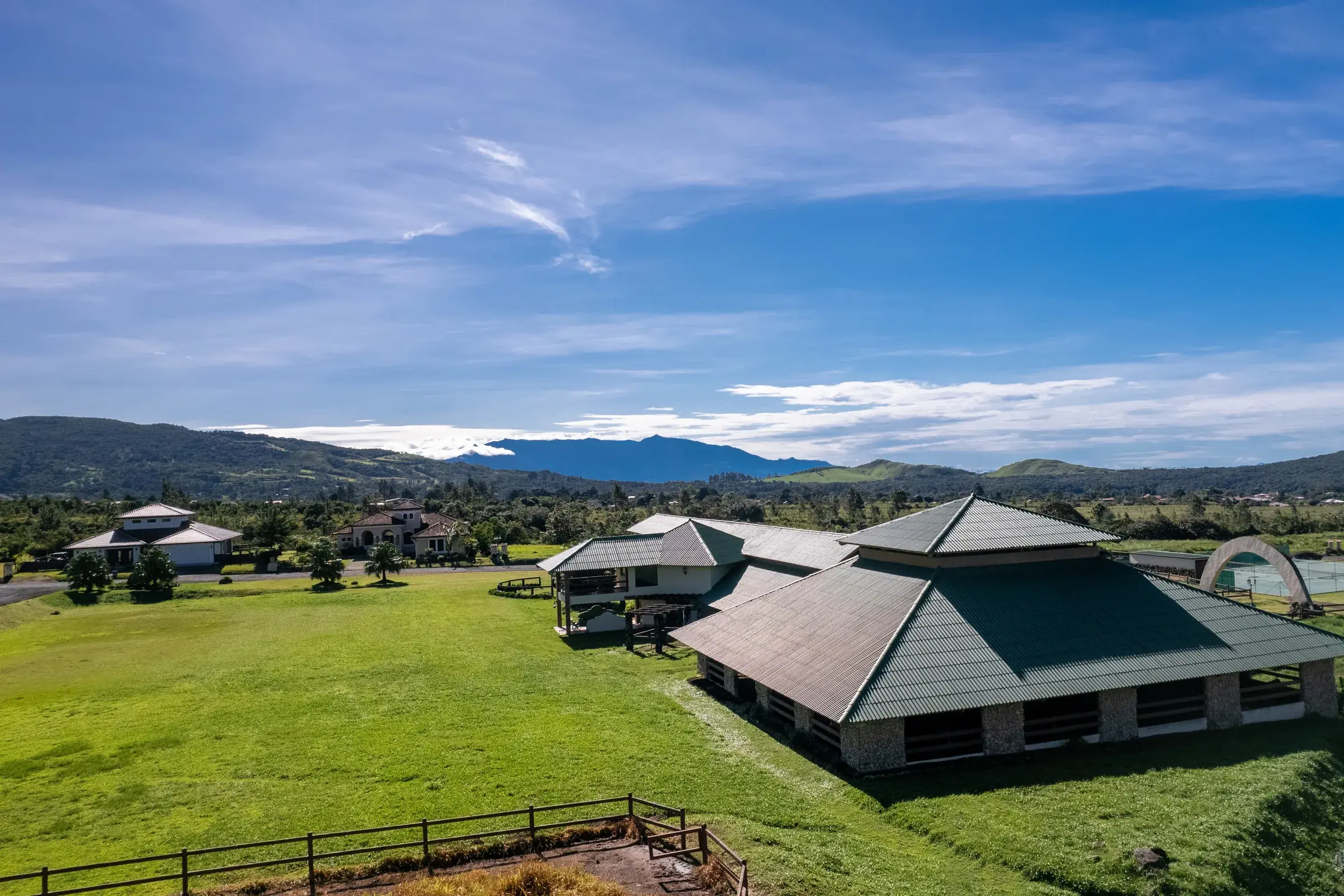
| Boquete Country Club, Boquete | Empresas Bern | Ready, 2026 | $121,223 | $6.12 |
| Mantra, Punta Pacífica | RIGA Developers | Pre-construction, 2028 | $146,000 | $260 |
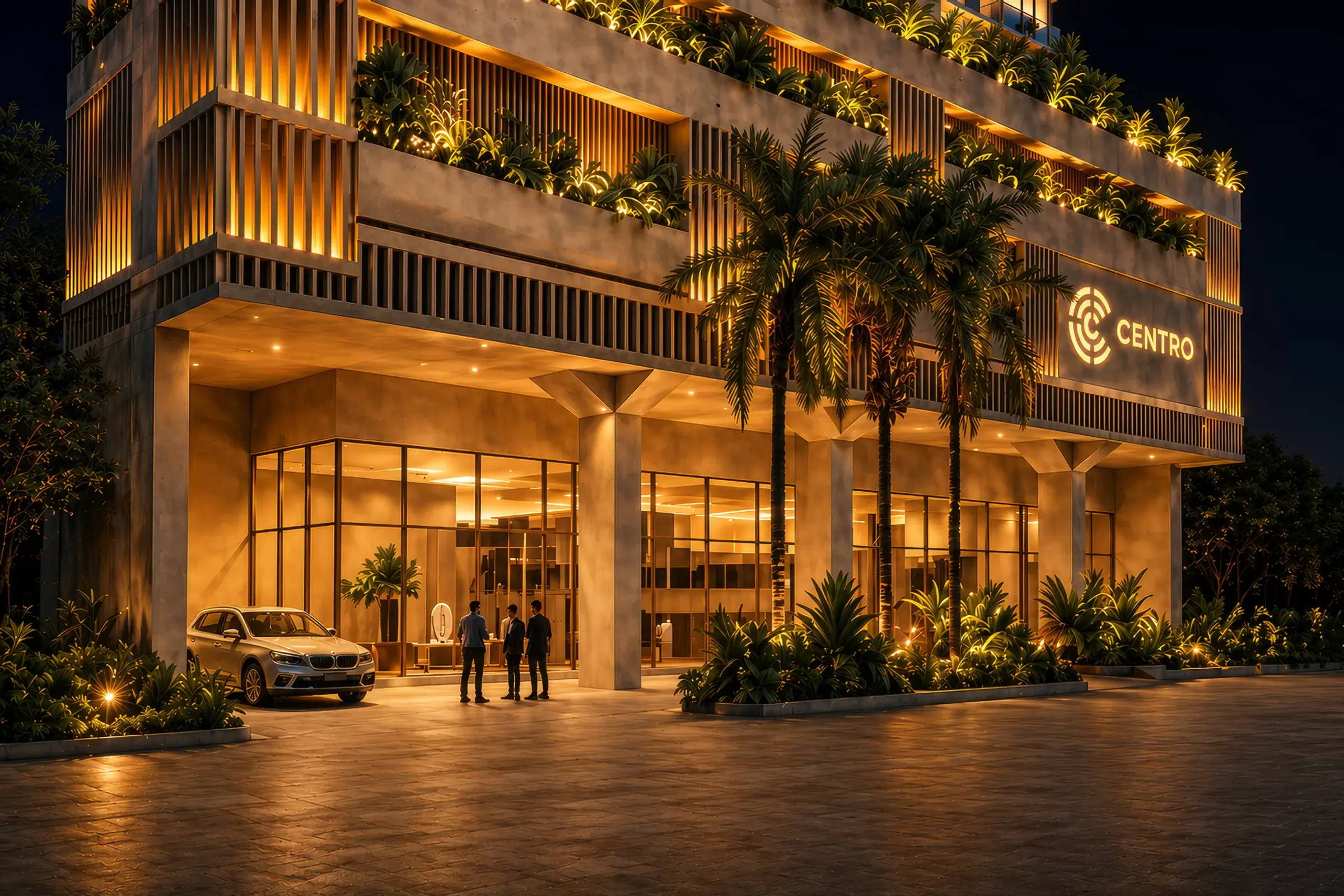
| Centro Obarrio, Obarrio | K Group | Pre-construction, 2029 | $149,781 | $297.81 |
| Silver Bay, Marbella | Silver Bay Properties | Under construction, 2028 | $157,500 | $525 |
| The Label, Avenida Balboa | Loft Art | Pre-construction, 2029 | $177,632 | $922.11 |
| AWA by Living, Bella Vista | Marjalizo | Pre-construction, 2028 | $188,339 | $1,093.42 |
| Casa Parque, San Francisco | Reforma | Under construction, Q4 2026 | $194,300 | $1,337.40 |
| Baula Residences, Amador | Sucasa Estate Developers | Pre-construction, Q1 2029 | $198,500 | $1,413 |
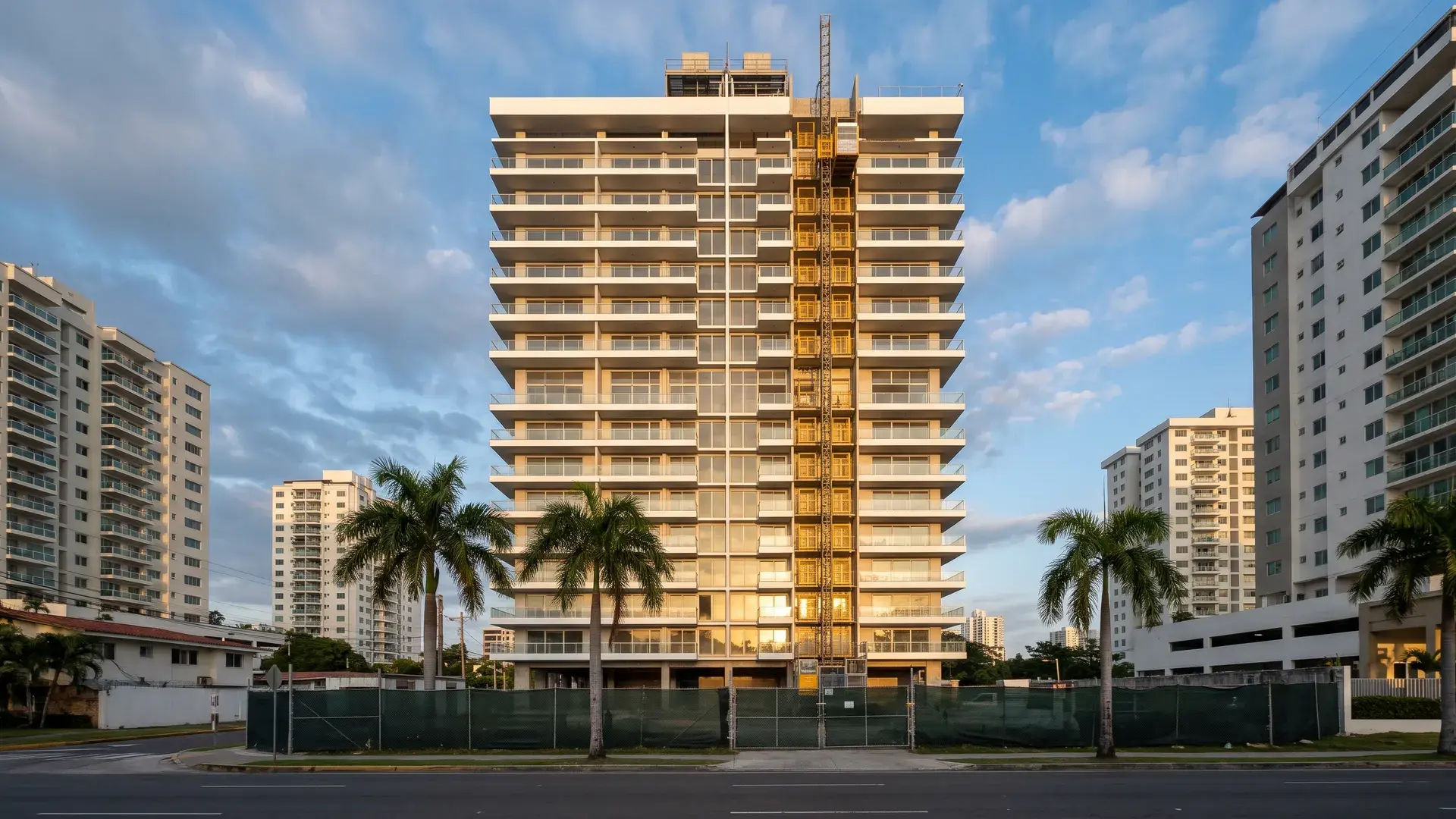
One finished building on our list already has its clock running. Dovle Cincuentenario in Coco del Mar was delivered in the fourth quarter of 2024, so it falls under the 30-month rule: if its permit dates from that quarter, the window for its remaining units closes between April and June 2027.
Three more, Cavarosa, Dovle Selva and Casa Parque, are due for delivery in 2026, which would put their two-year windows into 2028.
The eight projects
Each card shows the project's delivery date and the developer's starting price.
 Pre-construction
 Pre-construction
 Under constructionDelivery 2028
Silver Bay
Marbella · Silver Bay Properties, S.A.
More about this projectFrom
$157,500
86 units
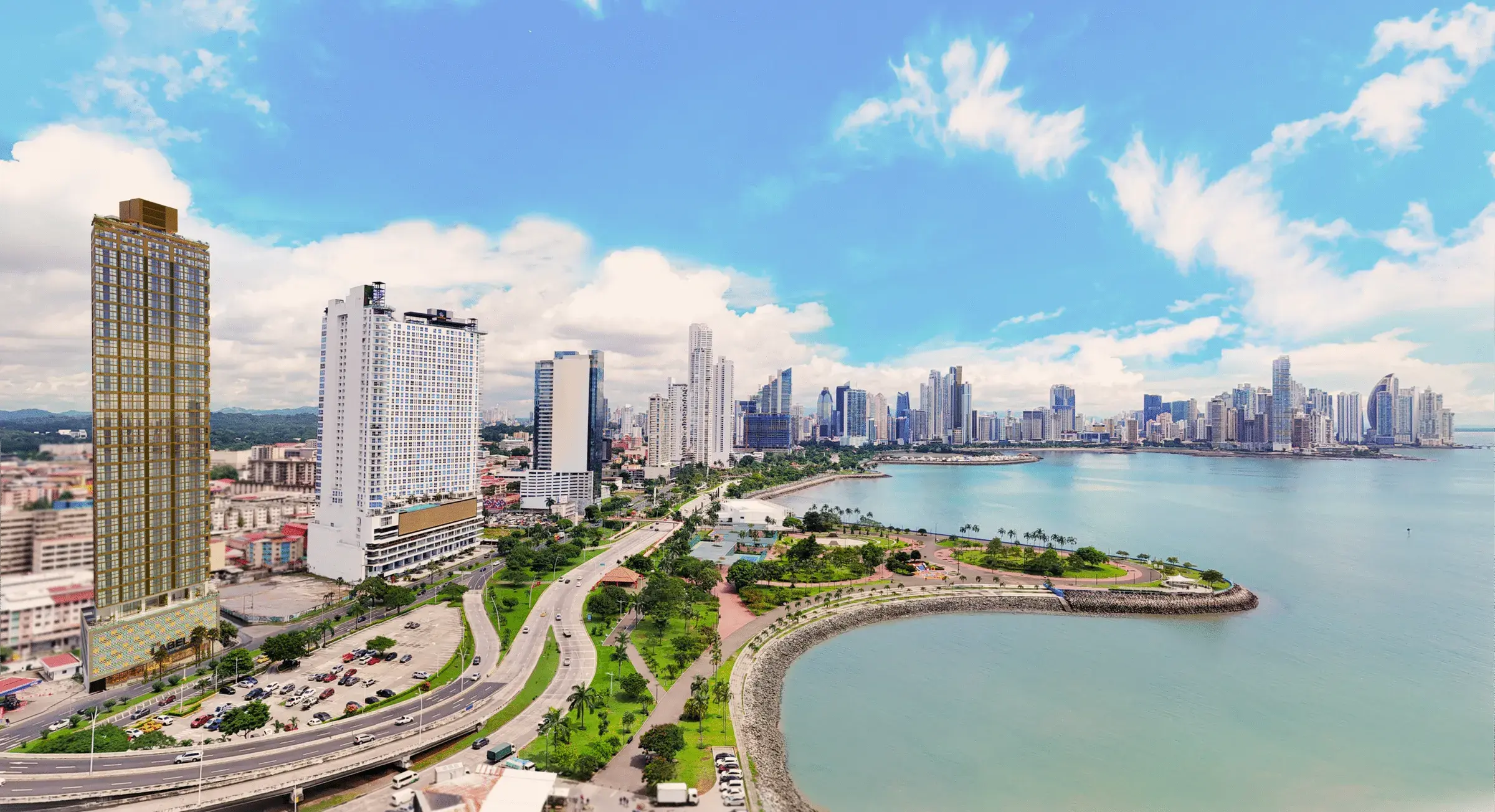 Pre-constructionDelivery 2029
The Label by Loft Art
Avenida Balboa · Loft Art
More about this projectFrom
$177,632
200 units
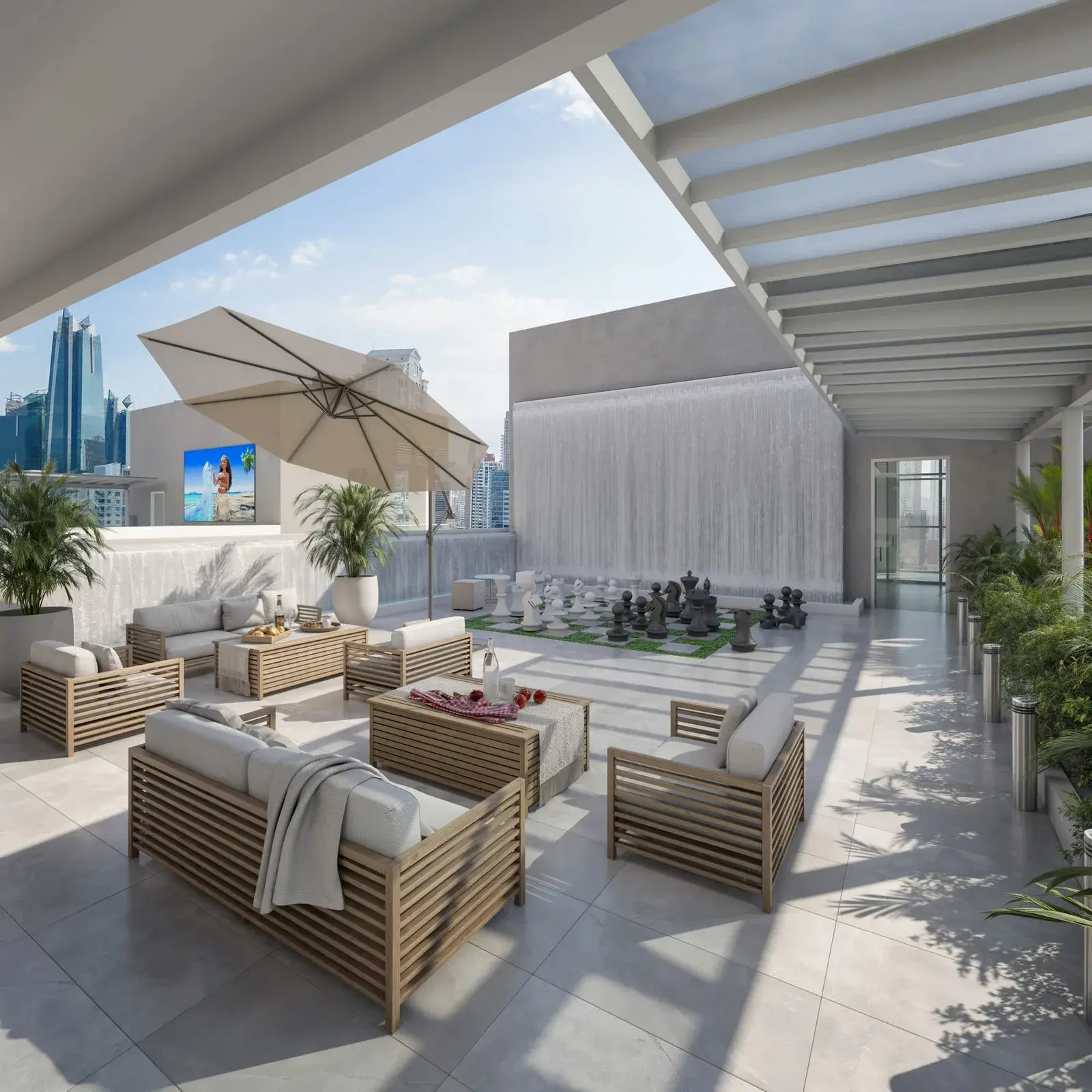 Pre-construction
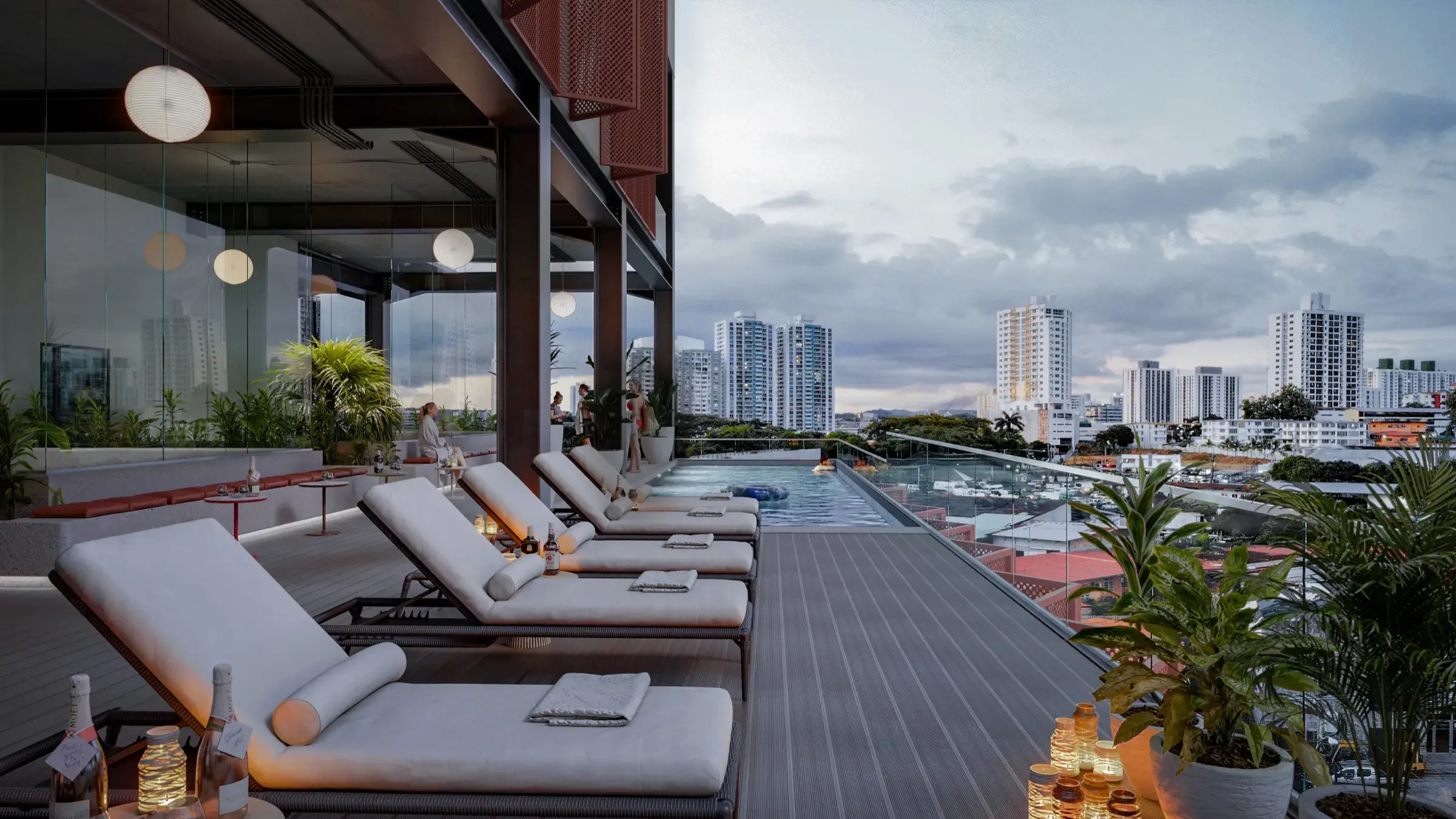 Under construction
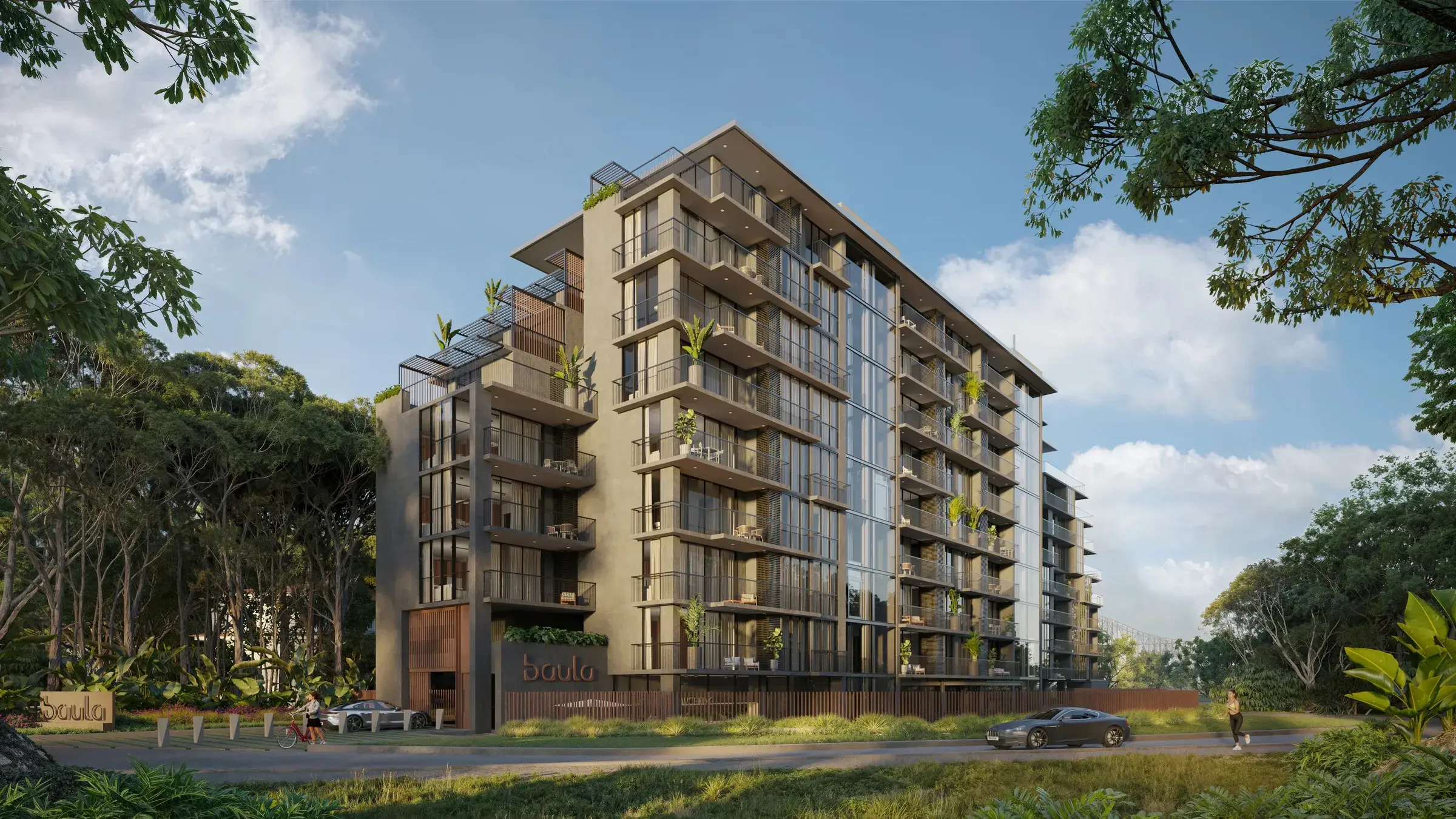 Pre-constructionDelivery Q1 2029
Baula Residences
Ancón · Sucasa Estate Developers
More about this projectFrom
$198,500
82 units
 Ready for occupancy
Frequently asked questions
Do foreign buyers get the Law 546 exemption in Panama?
Yes. Ley 546 attaches the exemption to the sale, not to the buyer: it applies to the first sale of a new home deeded within two years of the occupancy permit, and sets no condition on who the buyer is. A foreign buyer of a $300,000 apartment saves the same $2,400 a Panamanian buyer does.
Does Law 546 apply when the home is resold?
No. Only the first sale of a new home qualifies. A resale pays the ordinary 2% on the higher of the price and the updated cadastral value, under Article 1 of Ley 106 of 1974, and the seller still owes it.
Is the ITBI exemption the same as the property tax exemption?
No. ITBI is a one-time 2% tax on the transfer, paid by the seller at the deed. Property tax is charged every year to the owner under Article 766 of the Código Fiscal, which has its own exemption for a new first home registered as the main residence. The buying guide covers both.
What happens if the closing slips past the two-year window?
The sale loses the exemption and pays the full 2% on the whole base. The tax is still legally the seller's, and Article 1 of Ley 546 voids any clause that makes the buyer pay, reimburse or take on that tax, whatever the closing date.
Does Law 546 cover the 3% capital gains advance?
No. Ley 546 changes only Article 4 of Ley 106 of 1974, the transfer tax. The 3% capital gains advance is a separate income tax payment the seller makes at the sale, and Ley 546 leaves it as it was.
Sources
- Ley 546 of 31 August 2026 amending Article 4 of Ley 106 of 1974 (transfer tax on new homes), read in full from the scanned issue — Gaceta Oficial No. 30601-B, 31 de agosto de 2026 (Procuraduría de la Administración copy), November 6, 2026
- Ley 468 of 24 April 2025 on preferential-interest mortgages, Articles 11, 13 and 15 (repeal of Article 4 of Ley 106 of 1974) — Gaceta Oficial No. 30264-A, 24 de abril de 2025 (Procuraduría de la Administración copy), November 6, 2026
- Ley 481 of 9 September 2025 amending Ley 468 (leaves Articles 11 and 13 unchanged) — Gaceta Oficial No. 30361-C, 9 de septiembre de 2025, November 6, 2026
- "Presidente Mulino sanciona Ley que exonera el 2% del ITBI para facilitar el acceso a viviendas nuevas" — Ministerio de Economía y Finanzas (MEF), 31 de agosto de 2026, November 6, 2026
- "Mulino sanciona ley que exonera ITBI en los primeros $120,000 de viviendas nuevas" (cabinet date, third-debate vote) — La Estrella de Panamá, 31 de agosto de 2026, November 6, 2026
- "Así funcionará la exoneración del ITBI para comprar viviendas nuevas en Panamá" (Felipe Chapman) — Telemetro, 30 de julio de 2026, November 6, 2026
- "El fin de una exoneración de 50 años: Por qué ahora es más difícil comprar casa en Panamá" (Elisa Suárez, Convivienda) — Telemetro, 20 de abril de 2026, November 6, 2026
- "Acodeco registra B/.120 millones en quejas contra inmobiliarias por cláusulas abusivas" — Telemetro, 6 de noviembre de 2026, November 6, 2026
- Developer starting prices, status and delivery dates for 30 tracked projects — Panama Property Guide project records, November 6, 2026
- Reader comments on Telemetro Reporta's Facebook post about the signing of Ley 546 — Facebook, November 6, 2026
- Viewer comments on Telemetro Reporta's YouTube report on the bill before the Assembly debate — YouTube, November 6, 2026
- Law 546
- Transfer Tax
- New Developments
- Closing Costs
About the author

Esia Thompson
Staff Writer, Markets & Trends
Esia Thompson is a real estate writer with five years of experience covering Panama's property market, economic developments, and emerging lifestyle trends. She translates market research and industry insights into accessible content that helps readers make informed decisions about living, buying, and investing in Panama. She works from primary documents, naming the source and the date on every figure she publishes.
About the reviewer

Gustavo Rodriguez
Legal & Contracts Specialist · Panama Property Guide
Gustavo Rodriguez has six years of experience working with the legal and contractual aspects of Panama real estate. His areas of focus include property transactions, contracts, due diligence, ownership structures, and regulatory requirements. He helps readers better understand the legal considerations involved in buying and investing in Panama.
Panama property, once a week
New listings worth a look, what moved in the market, and the guides we published. No sales pitch.